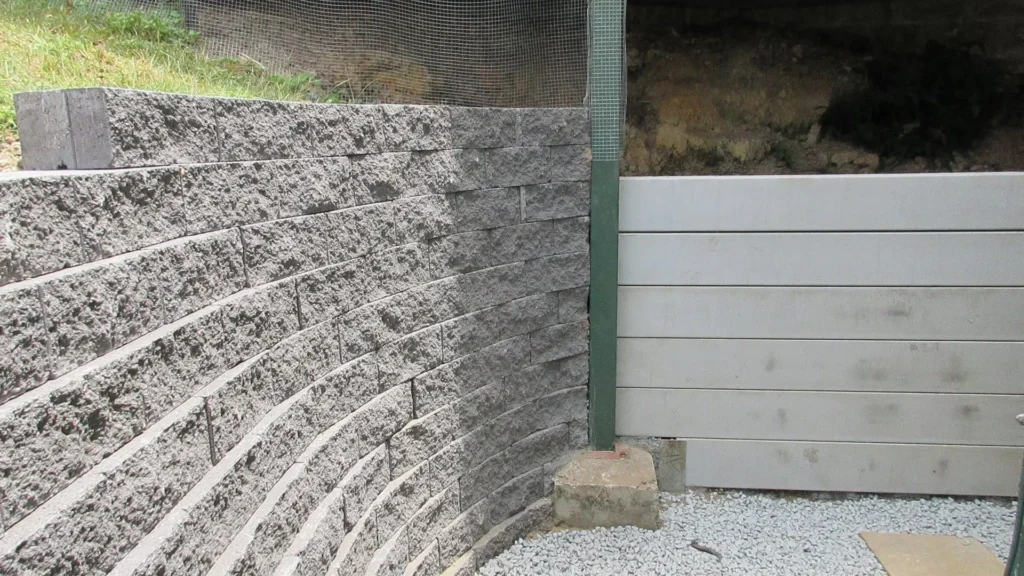
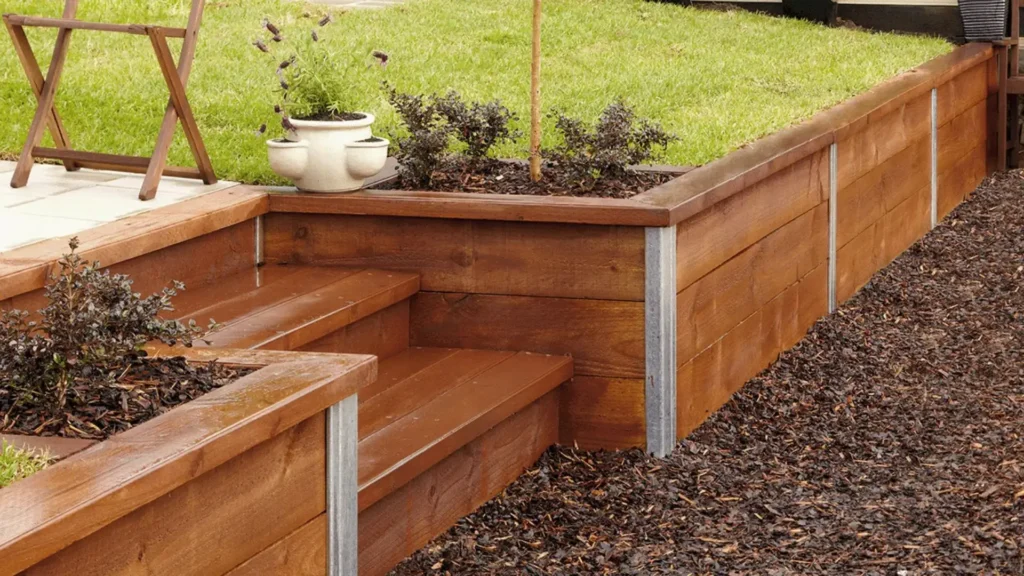
Welcome to your complete guide to understanding retaining wall types in Christchurch, where sloping sections, varied soil conditions, and changing elevations make retaining walls an essential part of many residential and commercial properties. Whether you’re looking to stabilise a hillside, create usable outdoor space, prevent erosion, or enhance the look of your landscape, choosing the right retaining wall is crucial for both safety and long-term value. Christchurch homeowners face unique challenges due to terrain, drainage requirements, and local building regulations, which means not all retaining wall types are suitable for every property. In this guide, we’ll walk you through the most common retaining wall options used in Christchurch, explain where each type works best, and help you make an informed decision that balances durability, appearance, cost, and compliance—so you can build with confidence and avoid costly mistakes down the line.
The most common retaining wall types in Christchurch include timber retaining walls, concrete retaining walls, concrete block walls, gabion walls, crib walls, and engineered structural walls. Each type is suited to different site conditions, wall heights, budgets, and aesthetic preferences, with factors such as drainage, soil stability, and council requirements influencing the best choice.
Table of Contents
What Is A Retaining Wall?
A retaining wall is a structure designed to hold back soil and prevent it from moving downhill. In simple terms, it supports land that would otherwise slip, erode, or collapse due to gravity, water, or changes in ground level. Retaining walls are commonly used in residential and commercial properties to create stable, usable spaces where the natural terrain is uneven or sloped.
Simple Purpose of a Retaining Wall
At its core, a retaining wall exists to manage changes in ground height safely and effectively. Instead of allowing soil to spread or wash away, the wall keeps it in place, protecting both the landscape and nearby structures.
If retaining walls were not used in these situations, sloped areas could become unstable over time, leading to erosion, drainage issues, or even damage to buildings and outdoor features.
Why Retaining Walls Are Common in Sloped Landscapes
Retaining walls are especially common in sloped landscapes because gravity naturally pulls soil downhill. In areas with hills, banks, or uneven sections, the ground needs additional support to remain stable, particularly during heavy rainfall.
In places like Christchurch, where properties often sit on varying elevations, retaining walls help homeowners make better use of their land. By flattening or terracing sloped areas, they create safer outdoor spaces while reducing the risk of soil movement and erosion.
Everyday Examples of Retaining Walls
You may see retaining walls every day without realising their purpose. Common examples include:
- Garden terraces: Stepped garden beds that turn a steep slope into layered planting areas, making landscaping more practical and visually appealing.
- Driveway edges: Walls that support soil alongside sloping driveways, preventing the ground from collapsing onto paved surfaces.
- Hillside sections: Larger retaining walls that stabilise properties built into hills, helping protect homes, fences, and outdoor areas from ground movement.
These everyday applications show how retaining walls combine function and practicality, allowing sloped land to be both stable and usable.
A Practical Foundation for Better Land Use
Retaining walls play a key role in shaping landscapes and protecting properties, especially where natural ground levels vary. By understanding what a retaining wall is and why it’s used, homeowners can better appreciate how these structures support safety, usability, and long-term stability. This foundation makes it easier to explore the different retaining wall types and choose the right option for your specific site and needs.
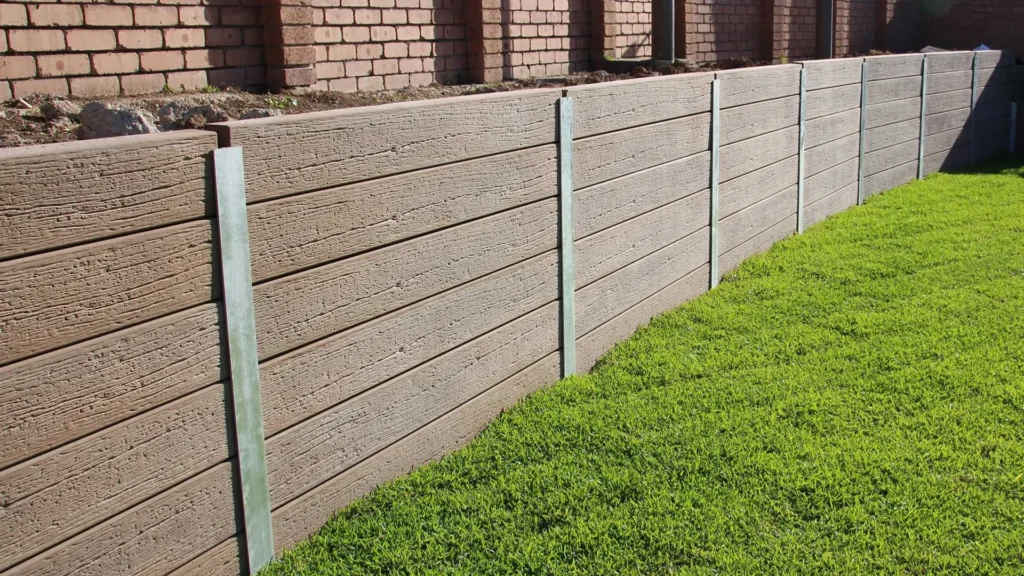
Key Factors To Consider Before Choosing A Wall
Before selecting a retaining wall, it is important to understand how site-specific conditions, regulations, and design preferences affect both performance and longevity. In Christchurch, factors such as soil stability, slope, drainage, and visual appeal play a major role in determining which retaining wall type will deliver the best long-term outcome.
Site Conditions And Soil
Site conditions and soil type have a direct impact on how a retaining wall performs over time, particularly on sloped or uneven land.
- Soil Type: Clay-heavy soils retain moisture and create higher pressure behind retaining walls, while sandy or gravel soils drain more freely but may require additional reinforcement for stability.
- Slope Gradient: Steeper slopes increase lateral pressure on the wall, often requiring stronger materials or engineered solutions.
- Ground Stability: Areas with softer ground or a history of movement benefit from retaining wall systems designed to handle shifting conditions.
Assessing soil composition and slope early helps prevent issues such as wall movement, cracking, or premature failure.
Wall Height And Load Requirements
Wall height is one of the most important considerations, as it affects both structural design and regulatory requirements.
- Walls Under 1.5 Metres: Lower retaining walls are often suitable for timber or block systems and may not require building consent, depending on site conditions.
- Walls Over 1.5 Metres: Taller retaining walls usually require engineering design and building consent due to increased soil pressure and safety considerations.
- Additional Loads: Retaining walls supporting driveways, buildings, or fences must be designed to handle extra weight safely and reliably.
Choosing a wall type that matches height and load requirements ensures structural integrity and compliance with local standards.
Drainage And Water Management
Effective drainage is critical to the long-term success of any retaining wall, regardless of material.
- Water Pressure Control: Poor drainage allows water to build up behind the wall, increasing pressure and the risk of cracking or collapse.
- Drainage Systems: Common solutions include drainage gravel, filter fabric, and perforated drain pipes to channel water away from the wall.
- Performance Over Time: Proper drainage reduces maintenance needs and significantly extends the lifespan of the retaining wall.
Drainage should always be considered a core part of the design, not an optional extra.
Aesthetics And Landscape Integration
A retaining wall should enhance the appearance of the property while performing its structural role.
- Material Selection: Timber walls suit natural garden environments, while concrete and block walls complement modern or architectural homes.
- Visual Consistency: Matching colours, textures, and finishes with existing outdoor features creates a cohesive look.
- Landscape Design: Some retaining wall systems allow for planting or terracing, blending the wall seamlessly into the surrounding landscape.
Selecting a wall that aligns with your property’s style improves visual appeal and overall value.
By carefully considering site conditions, wall height, drainage requirements, and design preferences, homeowners can choose a retaining wall that is both functional and visually appealing. Addressing these factors early helps ensure long-term performance, regulatory compliance, and a result that complements Christchurch properties for years to come.
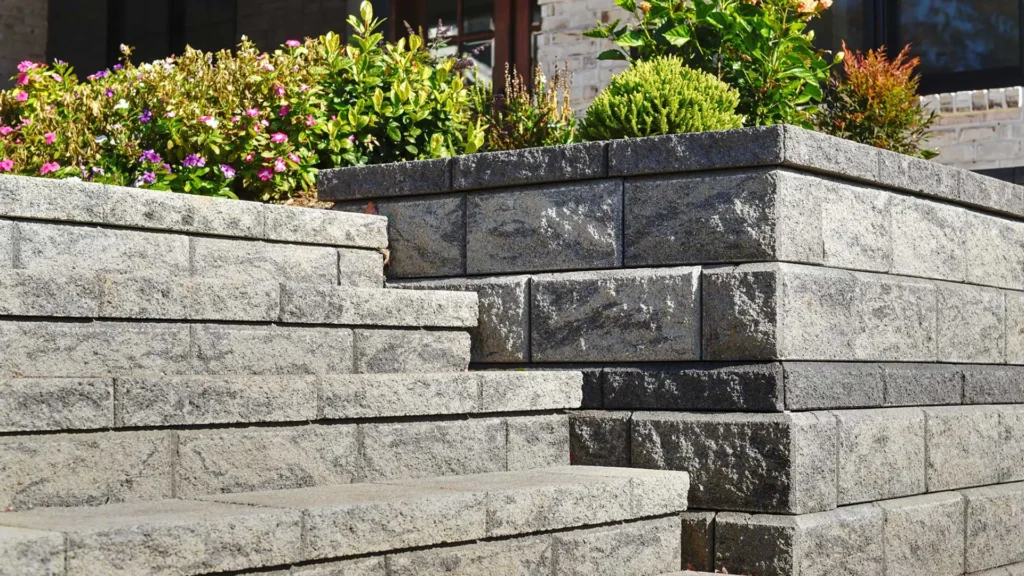
Retaining Wall Types In Christchurch (And What They’re Best For)
Christchurch properties often feature sloping land, changing ground levels, and varied soil conditions, which makes retaining walls a practical and sometimes essential part of landscaping and construction. Local builders work with a wide range of retaining wall systems, each designed to suit different heights, loads, budgets, and visual preferences. Below is a detailed breakdown of the most common retaining wall types used in Christchurch and what each option is best suited for, helping homeowners make informed, long-term decisions.
Timber Retaining Walls
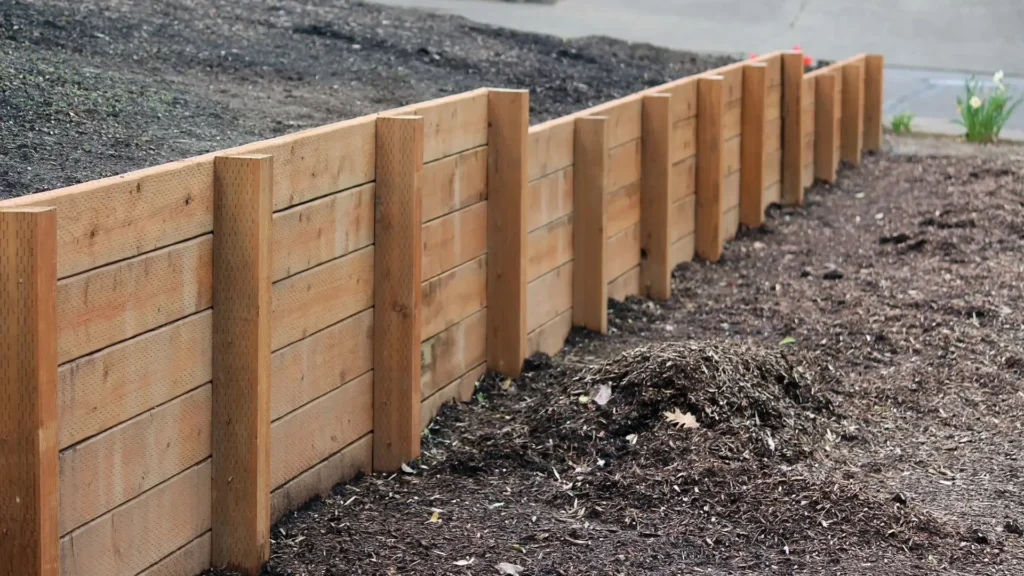
Timber retaining walls are one of the most popular choices in Christchurch, especially for residential landscaping projects. They offer a natural appearance and are generally more affordable than many other options, making them a common solution for garden and boundary walls.
- Description: Timber retaining walls are typically constructed using treated timber posts and horizontal sleepers designed to resist moisture and ground contact.
- Best For: Low to medium height garden walls, landscaped terraces, and property boundaries where loads are relatively light.
- Pros: Natural look that blends well with gardens, lower upfront cost, and faster installation.
- Cons: Requires ongoing maintenance, has a shorter lifespan compared to concrete, and can deteriorate if drainage is poor.
- Local Christchurch Applications: Commonly used in residential suburbs for garden levelling, fencing support, and decorative landscape features.
Concrete Retaining Walls
Concrete retaining walls are chosen for their strength, durability, and ability to handle higher loads. In Christchurch, they are often used where structural performance is more important than appearance alone.
- Description: These walls are constructed using either poured-in-place concrete or precast concrete panels designed for long-term structural stability.
- Best For: Higher retaining walls, steep slopes, driveway support, and urban properties where space and safety are critical.
- Pros: Extremely strong, long-lasting, and low maintenance once installed correctly.
- Cons: Higher construction costs and a more industrial appearance unless finished or textured.
Concrete Block Or Segmental Wall Systems
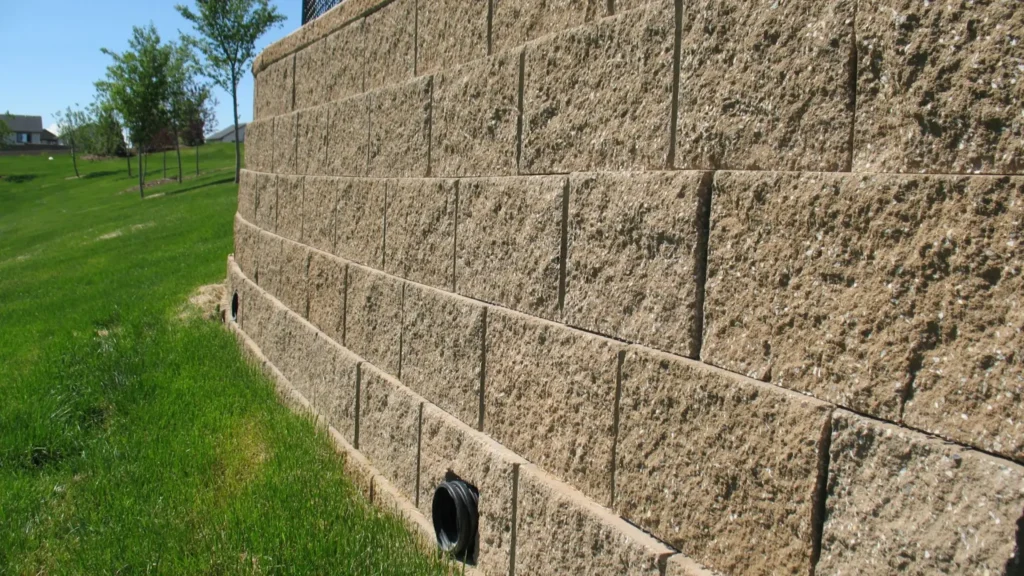
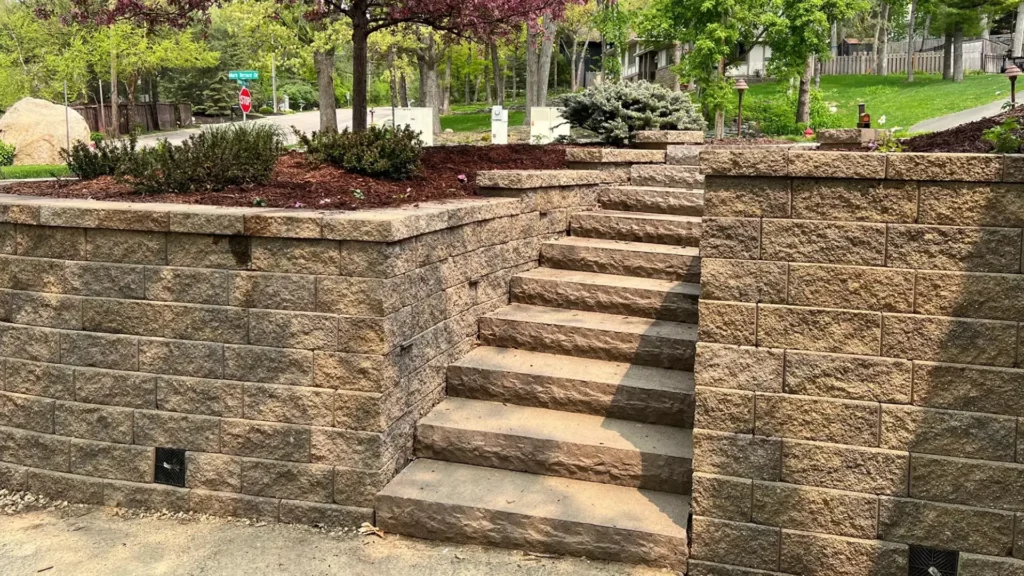
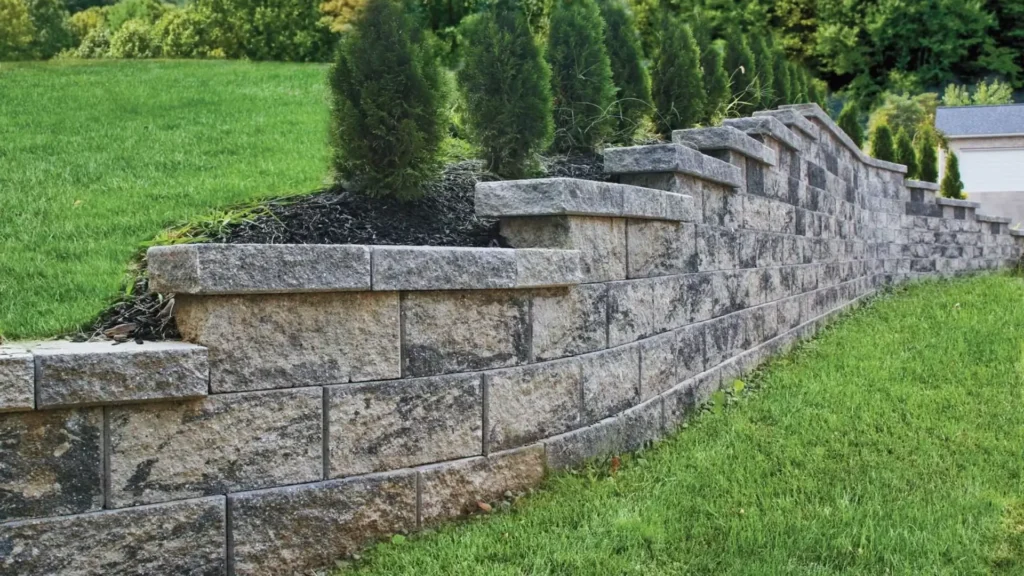
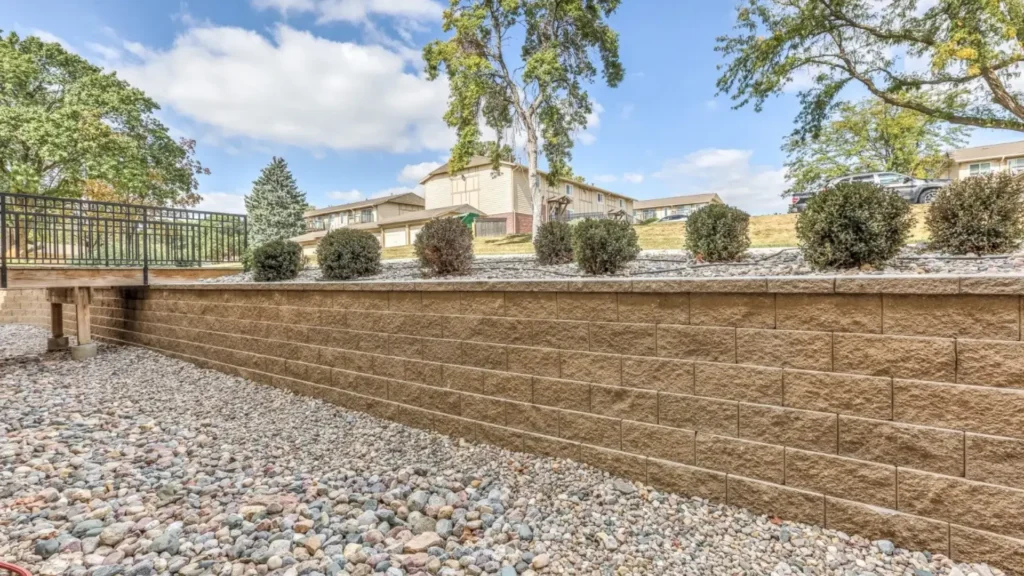
Concrete block or segmental retaining walls offer a balance between strength and design flexibility. They are widely used in Christchurch for both residential and light commercial projects.
- Description: These systems use interlocking concrete blocks that stack together, often without the need for mortar, and can be finished with textures or render.
- Advantages: Flexible design options, faster installation compared to poured concrete, and a clean, professional finish that suits modern homes.
- Best Applications: Medium-height walls where appearance, consistency, and durability are equally important.
Gabion Retaining Walls
Gabion retaining walls are increasingly popular in Christchurch due to their modern look and excellent drainage performance, particularly in areas prone to water movement or erosion.
- Description: Gabion walls consist of wire mesh baskets filled with stones or rock, stacked to create a retaining structure.
- Benefits: Excellent drainage, strong erosion resistance, and a contemporary aesthetic that suits both urban and rural settings.
- Considerations: Long-term performance depends on the quality of the wire baskets, with galvanised or PVC-coated wire offering better corrosion resistance in outdoor environments.
Crib Walls (Timber Or Concrete)
Crib walls are a modular retaining wall system that allows for both structural support and planting, making them a practical and visually appealing option in some Christchurch landscapes.
- Description: Crib walls are built using interlocking timber or concrete components that form open cells, which are then filled with soil or rock.
- Best For: Moderately high retaining walls where landscaping and planting are desired as part of the design.
- Pros: Good drainage, flexible design, and the ability to integrate greenery into the wall.
- Cons: Can require more space than vertical walls and may not suit tight urban sites.
Gravity And Structural Walls
Gravity and structural retaining walls are designed for situations where significant soil pressure or loads must be managed safely, often requiring professional engineering input.
- Explanation: Gravity walls rely on their own weight to hold back soil, using heavy materials such as concrete or stone to resist pressure.
- Structural Options: These include engineered solutions such as cantilever walls or anchored systems that use reinforcement and footings to handle higher loads.
- When Engineering Is Needed: Engineering is typically required for taller walls, walls supporting driveways or buildings, or sites with challenging soil conditions to ensure compliance and long-term safety.
In summary, Christchurch homeowners have a wide range of retaining wall options to choose from, each suited to different site conditions and project goals. Taking the time to understand how each type performs can help ensure your retaining wall is not only visually appealing but also safe, compliant, and built to last.
Choosing The Right Wall For Christchurch Properties
Selecting the right retaining wall for a Christchurch property comes down to balancing practical needs with long-term value. Local terrain, soil conditions, and council requirements all play a role, but the right decision becomes much clearer when you follow a simple, structured framework.
Budget Considerations
Your budget will often narrow down suitable retaining wall options early in the planning process. Some materials are more cost-effective upfront, while others offer better long-term durability with higher initial investment.
- Budget: Timber retaining walls are generally the most affordable and work well for smaller residential projects, while concrete block systems sit in the mid-range, and engineered retaining walls typically require a higher budget due to design and construction complexity.
Choosing a wall purely on price can be risky, so it’s important to weigh upfront cost against lifespan and future maintenance.
Purpose And Scale Of The Wall
The function of the retaining wall has a major impact on material choice and construction method. A decorative garden wall has very different requirements compared to a structural wall supporting a driveway or building.
- Purpose & Scale: Low garden walls often suit timber or block systems, while larger walls that retain heavy loads or manage steep slopes usually require concrete or engineered solutions.
Matching the wall type to its structural demands helps prevent movement, cracking, and long-term failure.
Maintenance Expectations
Different retaining wall materials come with different levels of ongoing care. Some homeowners prefer a low-maintenance solution, while others are comfortable with regular upkeep.
- Maintenance Expectations: Timber walls require periodic inspections and treatment, whereas concrete, block, and gabion walls typically need minimal maintenance once installed correctly.
Factoring maintenance into your decision can save time and money over the life of the wall.
Aesthetic Preferences
Retaining walls are often a visible feature of the landscape, so appearance matters just as much as performance for many Christchurch homeowners.
- Aesthetic Preferences: Timber offers a warm, natural look that blends well with gardens, while concrete and block walls provide a modern, clean finish suitable for contemporary homes.
Choosing a wall that complements your property style can enhance both street appeal and resale value.
When To Consult An Engineer
Some retaining walls go beyond standard construction and require professional input to ensure safety and compliance with local regulations.
- When To Consult An Engineer: Walls that are taller, load-bearing, or supporting structures such as driveways or buildings should be designed or reviewed by an engineer.
Early consultation helps avoid costly redesigns and ensures the wall meets Christchurch council requirements.
Regulatory & Consent Considerations In Christchurch
Before building a retaining wall in Christchurch, it is important to understand the local regulatory and consent requirements, as these rules are in place to protect safety, structural integrity, and surrounding properties. Retaining walls can influence soil stability, drainage, and nearby structures, which is why Christchurch City Council sets clear guidelines around when formal approval is required.
When Building Consent Is Typically Required
Building consent is not required for every retaining wall, but certain conditions usually trigger the need for council approval. These requirements are largely based on wall height, purpose, and the level of structural risk involved.
- Wall Height: Retaining walls that are over approximately 1.5 metres in height will generally require building consent due to increased soil pressure and structural demands.
- Load-bearing Structures: If the retaining wall is supporting a driveway, building, fence, or other structure, consent is typically required regardless of the wall’s height.
- Proximity to Property Boundaries: Retaining walls built close to boundary lines may require consent to ensure they do not compromise neighbouring land or create drainage issues.
- Slope Stability: Retaining walls designed to stabilise steep or unstable ground often require engineering input and council approval to ensure long-term safety.
These criteria help ensure retaining walls are designed and built to withstand Christchurch’s ground conditions and environmental factors.
Importance of Local Council Compliance
Following Christchurch City Council regulations is essential to avoid future problems. Council compliance ensures retaining walls meet New Zealand Building Code standards, particularly for structural strength and drainage performance. Gaining the correct approvals also protects homeowners when selling their property, as unconsented retaining walls can lead to delays, reduced property value, or additional remedial work.
It is important to remember that consent requirements can vary depending on site-specific factors, so checking early in the planning stage can prevent unexpected issues later.
How Experienced Local Builders Can Help
Experienced retaining wall builders in Christchurch are often well-versed in local consent requirements and council processes. Many can advise whether building consent is needed before work begins and help coordinate structural engineering reports if required. They may also assist with preparing drawings and documentation for council submission, making the process smoother and more efficient for property owners.
Working with a knowledgeable local builder reduces the risk of non-compliance and helps ensure the retaining wall is built correctly from the outset.
Cost And Lifespan Expectations
Understanding the cost and lifespan of a retaining wall is an important part of planning any project in Christchurch. While upfront pricing often influences decisions, long-term durability, maintenance requirements, and site conditions play a major role in determining overall value. Different retaining wall types vary widely in cost and longevity, so it is essential to evaluate both short-term and long-term considerations.
Typical Cost Factors To Consider
Several elements directly affect the cost of building a retaining wall. These factors apply across all wall types and should be assessed before finalising a design.
- Materials: Timber retaining walls are generally the most affordable upfront, while concrete, block, and gabion walls cost more due to their strength, durability, and construction requirements.
- Wall Height: Higher retaining walls require deeper foundations, stronger structural support, and sometimes specialised construction methods, all of which increase costs.
- Site Access: Difficult access, sloped sections, or restricted spaces can increase labour and machinery costs, which is common on many Christchurch properties.
- Drainage: Proper drainage systems, including drainage gravel, perforated pipes, and filter fabric, are essential to prevent water pressure and add to the overall cost.
- Engineering Requirements: Retaining walls that are tall, load-bearing, or supporting structures often require engineering design and council consent, which adds to both design and construction expenses.
Relative Lifespan Of Common Retaining Wall Types
The lifespan of a retaining wall depends largely on the materials used, construction quality, and exposure to moisture and ground movement.
- Timber Retaining Walls: Typically last between 15 and 25 years when properly treated and maintained, making them suitable for smaller garden or landscape walls.
- Concrete Retaining Walls: Often last 50 years or more due to their strength, resistance to rot, and ability to withstand heavy loads and ground pressure.
- Gabion Retaining Walls: Commonly exceed 50 years when built with high-quality galvanised or coated wire, offering excellent drainage and long-term durability.
The Importance Of Long-Term Maintenance
Considering maintenance requirements from the start helps reduce future costs and extends the life of a retaining wall. Timber walls usually need regular inspections and ongoing care, while concrete and gabion walls generally require minimal maintenance. Choosing a low-maintenance option can be especially beneficial for larger retaining walls or properties where long-term reliability is a priority.
When planning a retaining wall in Christchurch, it is important to balance upfront cost with expected lifespan and maintenance needs. Selecting the right materials and design ensures the retaining wall remains safe, functional, and visually appealing for many years, making it a worthwhile long-term investment.
Maintenance Tips For Long-Lasting Walls
Proper maintenance is essential if you want your retaining wall to remain safe, functional, and visually appealing for many years. While different retaining wall types require different levels of care, consistent upkeep helps prevent structural issues, costly repairs, and premature failure, especially in Christchurch’s varied weather conditions.
Regular Inspections And Early Detection
Regular inspections allow you to identify small problems before they turn into major structural issues. Catching early warning signs can significantly extend the lifespan of your retaining wall.
- Visual Checks: Walk along the length of the wall every few months and look for cracks, bulging, leaning, or uneven sections.
- Signs Of Movement: Pay attention to any shifting, tilting, or gaps forming behind or beneath the wall, as these can indicate soil pressure or foundation issues.
- Surface Deterioration: Check for crumbling concrete, rotting timber, or corrosion on metal components, especially around joints and fixings.
Drainage Maintenance And Water Control
Drainage is one of the most critical factors in retaining wall performance, as trapped water creates pressure that can lead to wall movement or collapse.
- Drainage Outlets: Ensure weep holes, drainage pipes, and gravel backfill remain clear and unobstructed.
- Soil And Debris Removal: Remove soil, leaves, or mulch that may block drainage points or collect behind the wall.
- Water Flow Management: Check that surface water is directed away from the wall rather than pooling at its base or behind it.
Seasonal Care For Rain And Winter Conditions
Christchurch’s wetter months can place additional stress on retaining walls, making seasonal care especially important.
- Pre-Winter Checks: Inspect the wall before heavy rain sets in to ensure drainage systems are working properly.
- After Heavy Rain: Recheck the wall following prolonged rainfall to identify any new movement, erosion, or water buildup.
- Vegetation Control: Trim back plants and roots that may trap moisture or apply pressure to the wall during growth cycles.
Protecting Timber And Metal Components From Decay
Timber and metal retaining walls require targeted care to prevent decay, rust, and long-term deterioration.
- Timber Protection: Use appropriately treated timber and reapply protective sealants or stains as recommended to reduce moisture absorption and rot.
- Metal Components: Inspect brackets, fixings, and reinforcements for signs of rust or corrosion and replace damaged parts promptly.
- Ground Contact Areas: Pay close attention to areas where timber or metal meets soil, as these zones are most vulnerable to moisture-related damage.
Long-Term Care And Professional Support
Even well-maintained retaining walls benefit from occasional professional assessment, particularly for taller or load-bearing structures.
- Professional Inspections: Consider periodic inspections by experienced contractors or engineers to ensure structural integrity.
- Maintenance Records: Keep a simple record of inspections and repairs to track changes over time.
- Timely Repairs: Address minor issues quickly to avoid costly structural repairs later.
Consistent maintenance plays a major role in extending the life of any retaining wall, regardless of its material or design. By staying proactive with inspections, drainage care, and material protection, Christchurch property owners can ensure their retaining walls remain stable, safe, and visually appealing for years to come.
Thinking about installing a retaining wall on your Christchurch property? Don’t leave it to guesswork. The right retaining wall can protect your land, increase usability, and add long-term value—but only if it’s designed and built correctly. Explore our website to see proven retaining wall solutions, expert advice, and real project examples tailored specifically to Christchurch conditions.
References
- Retaining Wall Types In NZ With Pros, Costs, and Best Uses
https://retainingwallsrotorua.co.nz/retaining-wall-types-nz/ (retainingwallsrotorua.co.nz) - Retaining Walls Christchurch Local Options and Types
https://builderconnect.co.nz/retaining-walls-nz/retaining-walls-christchurch/ (Builder Connect NZ) - Retaining Wall Builders Information Christchurch
https://explorechristchurch.nz/best-retaining-wall-builders-in-christchurch/ (explorechristchurch.nz)
FAQs: About Retaining Wall Types In Christchurch
What are the most common retaining wall types in Christchurch?
The most common retaining wall types in Christchurch include timber retaining walls, concrete retaining walls, concrete block walls, gabion walls, crib walls, and engineered structural retaining walls, each suited to different site conditions and budgets.
Which retaining wall type is best for Christchurch properties?
The best retaining wall type depends on factors such as soil conditions, wall height, drainage requirements, budget, and visual preference. Timber is popular for smaller walls, while concrete and engineered systems are better for higher or load-bearing walls.
Do retaining walls in Christchurch require building consent?
In many cases, retaining walls over 1.5 metres high or walls supporting driveways, buildings, or heavy loads will require building consent. It’s best to check local council requirements before construction.
How long do retaining walls typically last?
Timber retaining walls may last 15–25 years with proper maintenance, while concrete, block, and gabion retaining walls can last 50 years or more when correctly designed and installed.
Are timber retaining walls suitable for Christchurch’s climate?
Yes, treated timber retaining walls are commonly used in Christchurch, especially for garden and landscape walls, but proper drainage and maintenance are essential to prevent rot and premature wear.
What is the most affordable retaining wall option?
Timber retaining walls are generally the most cost-effective option for low to medium-height walls, while concrete and engineered walls tend to have higher upfront costs but longer lifespans.
What retaining wall type requires the least maintenance?
Concrete retaining walls and concrete block systems typically require the least maintenance, as they are resistant to rot, pests, and weather-related deterioration.
Can I build a retaining wall myself?
Small, non-structural retaining walls may be suitable for DIY projects, but larger or load-bearing retaining walls should be designed and built by professionals to ensure safety and compliance.
Why is drainage important for retaining walls?
Proper drainage prevents water pressure from building up behind the wall, which can cause cracking, movement, or failure over time, regardless of the wall type.
How do I choose the right retaining wall contractor in Christchurch?
Look for contractors with local experience, proven project examples, knowledge of council requirements, and the ability to advise on design, materials, and drainage suited to Christchurch conditions.
Conclusion
Choosing the right retaining wall type in Christchurch is not just about appearance, it is about ensuring long-term stability, safety, and value for your property in a region known for sloping land, varied soil conditions, and strict building requirements. The right choice can protect your landscape from erosion, create usable outdoor spaces, and reduce the risk of costly repairs in the future, while the wrong choice can lead to drainage problems, structural failure, or compliance issues. Thoughtful planning, the use of quality materials, and advice from experienced local professionals all play a critical role in achieving a retaining wall that performs well and looks good for years to come. If you are planning a retaining wall project or still unsure which option suits your property best, feel free to explore further, leave a comment, or reach out with questions to get guidance tailored to your specific Christchurch site and needs.