Welcome to your complete guide on understanding the cost of retaining walls in Christchurch — a topic many homeowners, property investors, and builders find confusing until they’re deep into a project. Whether you’re dealing with a sloping section, planning a new landscape design, or simply trying to protect your property from erosion, a retaining wall is often a necessary investment rather than a cosmetic one. The challenge is that retaining wall costs in Christchurch can vary widely depending on materials, wall height, site conditions, council requirements, and labour, which makes budgeting difficult without clear, local information. In this guide, we break down realistic cost ranges, explain what actually drives the price up or down, and share practical insights to help you plan with confidence — so you can avoid surprises, make informed decisions, and choose a solution that fits both your land and your budget.
The cost of retaining walls in Christchurch typically ranges from $300 to $700+ per linear metre, depending on the material used, wall height, site access, drainage requirements, and whether council consent or engineering is required. Timber retaining walls are usually the most affordable, while concrete, stone, or engineered retaining walls cost more due to added materials, labour, and compliance requirements.
Table of Contents
What Is A Retaining Wall?
A retaining wall is a practical structure designed to hold back soil and manage changes in ground level. In Christchurch, retaining walls are commonly used to make sloped land usable, protect properties from erosion, and create safe, level areas for everyday use. While they often add visual appeal to a property, their primary role is structural, helping control soil movement and manage water flow across uneven terrain.
Retaining Wall Definition And Purpose
At its core, a retaining wall is built to support soil that would otherwise shift or collapse due to gravity. This is especially important on properties with slopes or varying ground levels.
The main purposes of a retaining wall include:
- Soil retention: Prevents soil from slipping or eroding downhill over time.
- Level creation: Creates flat, usable spaces for gardens, patios, or driveways.
- Structural support: Helps stabilize land near buildings, boundaries, or paved areas.
- Water management: Works alongside drainage systems to control water buildup behind the wall.
When built correctly, a retaining wall not only improves the function of your outdoor space but also protects nearby structures from long-term damage.
Common Reasons Christchurch Homeowners Install Retaining Walls
Retaining walls are a common feature in Christchurch due to the city’s varied landscapes and residential layouts. Many properties sit on sloped sections or uneven ground, making retaining walls a practical solution rather than an optional upgrade.
Homeowners often install retaining walls for:
- Hillside properties: To stabilize steep sections and prevent soil movement.
- Garden landscaping: To create tiered gardens or raised planting areas.
- Driveway support: To hold back soil next to sloped driveways or accessways.
- Boundary reinforcement: To manage height differences between neighboring properties.
- Outdoor living areas: To level ground for decks, patios, or seating spaces.
In many cases, retaining walls allow homeowners to maximize usable space on sections that would otherwise be difficult to develop.
Local Christchurch Conditions To Consider
Christchurch has unique environmental and ground conditions that influence how retaining walls are designed and built. These factors play a major role in both construction methods and overall costs.
Key local considerations include:
- Sloped terrain: Many suburbs feature rolling or uneven land that requires proper soil support.
- Drainage needs: Poor drainage can cause water pressure behind the wall, making correct drainage systems essential.
- Post-quake ground movement: Past earthquakes have affected soil stability in some areas, increasing the importance of solid foundations and engineering where needed.
- Soil types: Certain soils common in the region may require deeper footings or stronger materials.
Understanding these local conditions helps ensure a retaining wall is not only compliant but also durable and safe over the long term.
Why Retaining Walls Matter For Long-Term Property Use
A well-designed retaining wall does more than hold back soil. It protects your land, improves safety, and helps prevent costly issues like erosion, cracking, or water damage. For Christchurch homeowners, investing in the right retaining wall solution can make a significant difference in how functional and resilient a property remains over time.
In short, retaining walls are a foundational element of smart land management, especially in areas with slopes, drainage challenges, or changing ground conditions. Taking the time to understand their purpose is the first step toward making informed decisions about design, materials, and budgeting for your project.
Average Cost Ranges In Christchurch
Understanding the average cost of retaining walls in Christchurch helps homeowners plan realistically and avoid budget surprises. While prices vary depending on site conditions and design choices, most residential retaining walls fall within a consistent local range when measured per metre.
Typical Cost Range (Baseline)
For standard residential projects in Christchurch, retaining wall pricing is usually calculated per linear metre. These baseline costs typically cover materials and standard labour but may not include engineering, drainage upgrades, or council consent.
- Typical cost range: $300 to $700+ per linear metre
- Lower-cost projects: Small timber walls on flat, easily accessible sites
- Higher-cost projects: Taller walls, sloped land, or walls requiring engineering approval
Prices vary because each property presents different challenges. Soil stability, drainage needs, access for machinery, and wall height all influence how much labour and reinforcement is required, which directly impacts overall cost.
Breakdown By Material
The material you choose plays a major role in determining the final cost of a retaining wall in Christchurch. Each option offers different levels of durability, appearance, and construction complexity.
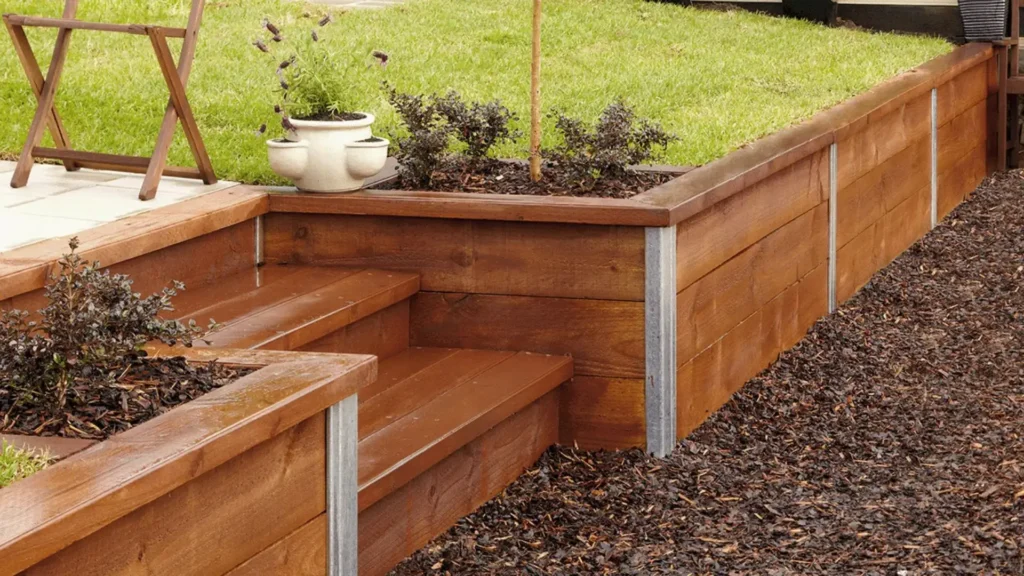
Timber Retaining Walls
Timber retaining walls are usually the most affordable option and are commonly used for residential gardens and landscaping projects.
- Estimated cost: $300 to $450 per linear metre
- Best for: Low to medium-height garden walls
- Why it costs less: Lower material cost and simpler installation
Timber walls are ideal for homeowners on a tighter budget, though they generally have a shorter lifespan and may require maintenance over time.
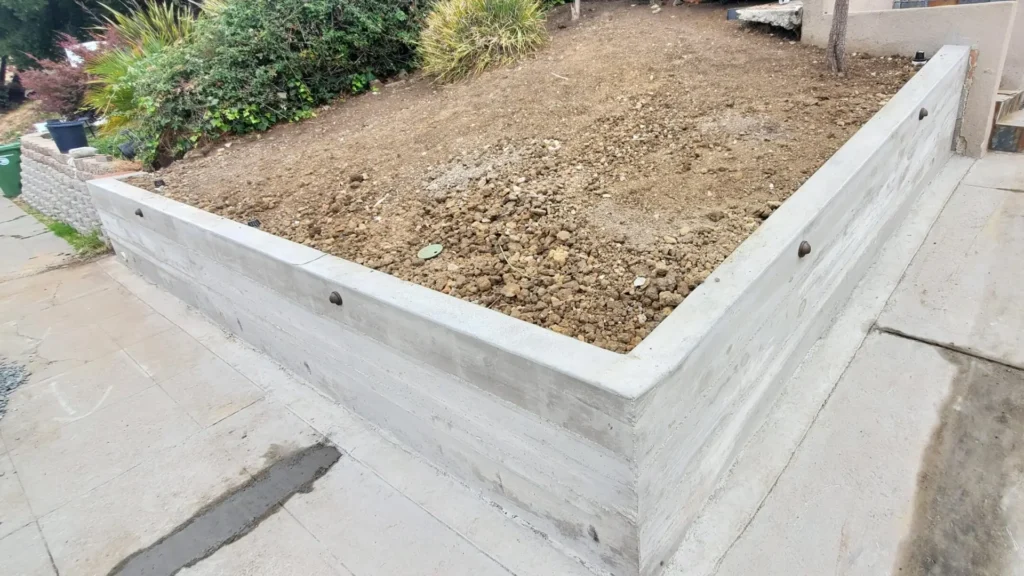
Concrete Retaining Walls
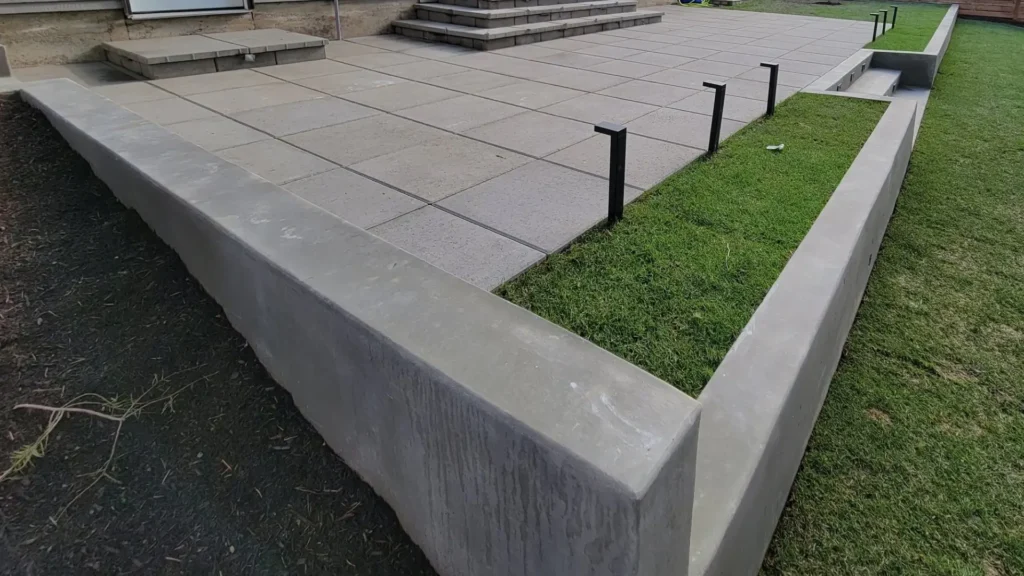
Concrete retaining walls fall into the mid-range category and are valued for their strength and long-term durability.
- Estimated cost: $450 to $650+ per linear metre
- Best for: Structural walls and larger retaining applications
- Why it costs more: Reinforcement, formwork, and skilled labour
Concrete is often chosen for its reliability, especially where the wall needs to support additional load or meet stricter building requirements.
Gabion Retaining Walls
Gabion walls combine function and visual appeal by using stone-filled wire cages to retain soil while allowing natural drainage.
- Estimated cost: $450 to $600 per linear metre
- Best for: Sloped sections and drainage-heavy areas
- Why it’s mid-cost: Material preparation and precise installation
Gabion retaining walls perform well in Christchurch conditions where water management is a key concern.
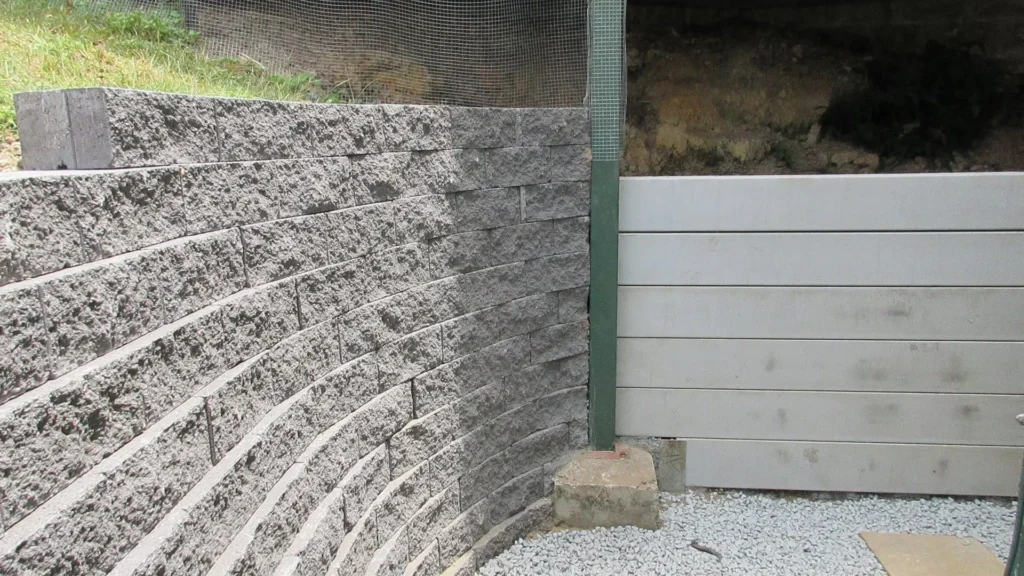
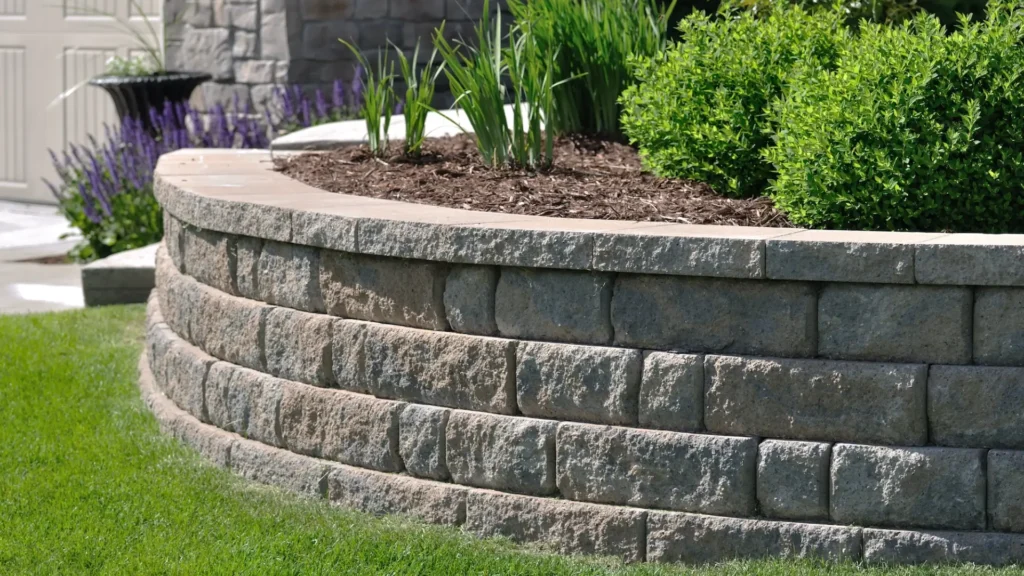
Stone Or Block Retaining Walls
Stone or block retaining walls are generally considered a premium option due to their appearance and construction complexity.
- Estimated cost: $600 to $700+ per linear metre
- Best for: High-end landscaping and architectural designs
- Why it’s premium: Skilled craftsmanship and longer build time
These walls offer excellent longevity and aesthetic appeal but require experienced builders to ensure proper structural performance.
What Affects Your Retaining Wall Cost
The cost of a retaining wall in Christchurch is influenced by several practical factors that go beyond simple material prices. Understanding these elements early helps you plan realistically, compare quotes accurately, and avoid unexpected expenses once construction begins.
Material Choice
Material selection is one of the biggest drivers of retaining wall costs, as each option comes with different durability levels, construction requirements, and long-term maintenance needs.
- Timber:
- Pros: Lower upfront cost, faster installation, suits small garden walls.
- Cons: Shorter lifespan, ongoing maintenance, not ideal for high or load-bearing walls.
- Concrete:
- Pros: Strong, long-lasting, suitable for taller or structural walls.
- Cons: Higher material and labour costs, longer build time.
- Gabion:
- Pros: Excellent drainage, modern appearance, flexible for uneven ground.
- Cons: Can be costly depending on stone fill and installation complexity.
- Stone Or Block:
- Pros: Premium look, high durability, adds strong visual appeal.
- Cons: Higher labour costs, requires skilled craftsmanship.
Choosing the right material often means balancing budget, appearance, and the functional demands of your site.
Wall Size And Dimensions
The physical size of your retaining wall directly affects how much you will pay, as larger walls require more materials, labour, and structural support.
- Height: Taller walls increase costs due to added reinforcement and safety requirements.
- Length: Longer walls use more materials and extend labour time.
- Thickness: Thicker walls are often required for stability, especially for load-bearing designs.
Even small increases in height can significantly impact overall pricing, particularly if engineering becomes necessary.
Site Conditions
Your property’s layout and ground conditions play a major role in construction complexity and cost.
- Accessibility: Tight or restricted access can increase labour time and equipment costs.
- Slope: Steeper sections often require more excavation and structural support.
- Existing Landscaping: Working around trees, paths, or structures adds time and care.
- Soil Type: Poor or unstable soil may need additional preparation or reinforcement.
Sites that are difficult to access or prepare generally result in higher overall project costs.
Consent And Engineering
In Christchurch, retaining walls may require council consent depending on their height, location, and structural role.
- Consent Requirements: Walls over certain heights or near boundaries typically need approval from Christchurch City Council.
- Engineering Reports: Structural or load-bearing walls often require engineering design and certification, adding professional fees.
While these steps add to the upfront cost, they are essential for safety, compliance, and long-term durability.
Drainage, Footings And Preparation
Proper groundwork is critical to the performance and lifespan of any retaining wall.
- Drainage Systems: Prevent water pressure buildup behind the wall.
- Footings: Provide a stable base to support the wall’s weight.
- Ground Preparation: Excavation and leveling ensure correct installation.
Although these elements increase initial costs, they reduce the risk of failure, repairs, and costly rebuilding later on.
Labour And Builder Experience
Labour costs vary depending on who you hire and the quality of work provided.
- Local Contractor Rates: Christchurch labour pricing reflects experience, demand, and project complexity.
- Experience Level: Skilled builders may charge more but deliver stronger, longer-lasting results.
- Workmanship Quality: Proper installation reduces maintenance and future repair expenses.
Choosing an experienced local contractor often provides better value over time, even if the upfront quote is higher.
Christchurch-Specific Considerations
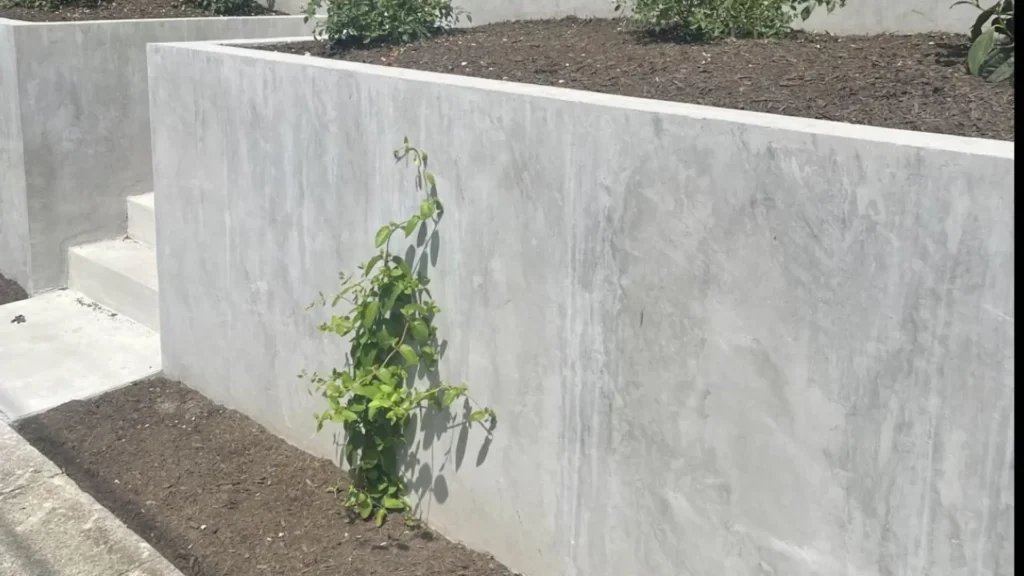
Christchurch has unique environmental and regulatory factors that directly affect how retaining walls are designed, built, and priced. Understanding these local considerations helps ensure your retaining wall is structurally sound, compliant with regulations, and suited to long-term conditions in Canterbury.
Terrain And Soil Conditions In Canterbury
Soil and land conditions across Christchurch vary significantly, and these differences influence both construction methods and overall costs. Many properties are built on sloping sections or softer ground, which requires careful planning before construction begins.
- Soil type affects stability: Canterbury soils often include clay, silty sand, and loam, which can shift or retain moisture, increasing pressure behind retaining walls if not properly managed.
- Drainage is essential: Poor drainage is a leading cause of retaining wall failure in Christchurch. Proper subsoil drainage helps relieve water pressure and protects the structure over time.
- Slope and access challenges: Steep sections, limited access, or tight residential sites may require specialised excavation equipment and additional labour, increasing project complexity and cost.
These factors mean retaining walls in Christchurch often require custom solutions rather than standard designs.
Post-Earthquake Landscape Considerations
The impact of past earthquakes continues to influence land stability and construction standards throughout Christchurch. Retaining wall design must take these changes into account to meet safety and compliance expectations.
- Ground movement risks: Some areas may still experience minor ground settlement, making reinforced retaining walls and flexible design features more suitable.
- Geotechnical assessments: In certain locations, soil testing or engineering reports may be required to confirm the land can safely support a retaining wall.
- Higher compliance standards: Post-earthquake building practices often involve stricter council scrutiny, particularly for taller or load-bearing retaining walls.
Accounting for these elements early in the planning stage helps prevent structural issues and approval delays.
Local Tips For Retaining Wall Projects In Christchurch
Careful preparation and clear communication with contractors can significantly reduce unexpected costs and delays when building a retaining wall in Christchurch.
- Always request detailed quotes: Quotes should clearly list materials, labour, excavation, drainage systems, engineering, and any additional charges.
- Confirm drainage and council compliance: Ensure your quote includes required drainage solutions and outlines responsibility for council consent and inspections.
- Choose local experience: Contractors familiar with Christchurch conditions are better equipped to anticipate soil challenges, compliance needs, and cost considerations.
Retaining walls in Christchurch require more than a simple design approach. Local soil conditions, earthquake-related land changes, and regulatory requirements all play a role in determining the best solution. By understanding these Christchurch-specific considerations and working with experienced professionals, you can build a retaining wall that is safe, durable, and suited to the local environment.
DIY Vs Professional Installation
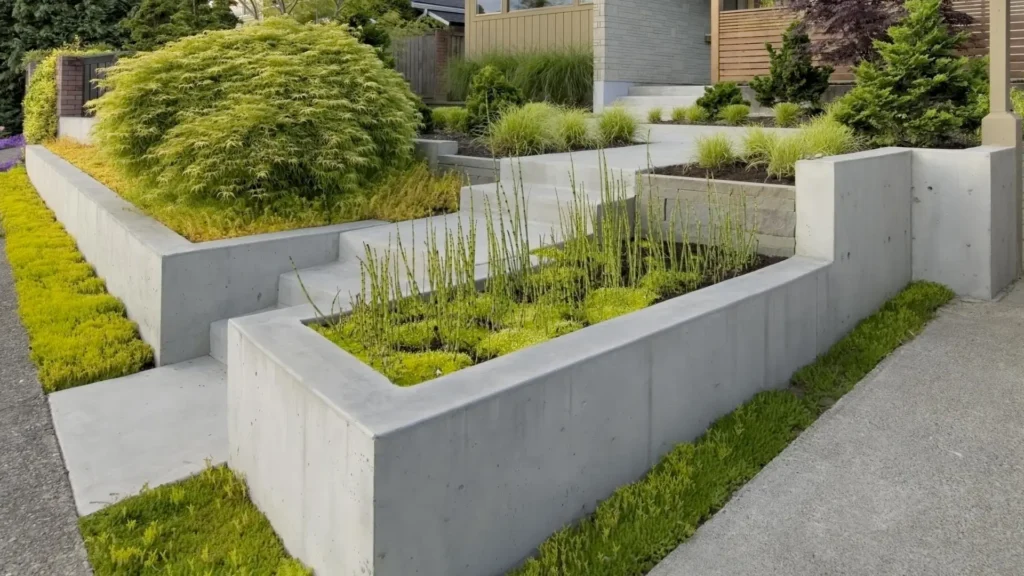
Choosing between a DIY build and hiring a professional is one of the most important decisions when planning a retaining wall in Christchurch. While building it yourself can seem appealing from a cost perspective, the right choice depends heavily on the wall’s size, purpose, location, and compliance requirements. Understanding when DIY is practical and when professional installation is essential can help you avoid costly mistakes and ensure your retaining wall lasts for decades.
When DIY Makes Sense
For some homeowners, a DIY retaining wall can be a reasonable option, provided the project is simple and low risk. These projects are usually non-structural and mainly serve landscaping purposes rather than soil retention on steep slopes.
DIY retaining walls are generally suitable for:
- Small garden walls under a certain height, typically well below consent thresholds.
- Simple timber walls used for garden edging or minor level changes.
- Areas with easy access and stable soil conditions.
- Projects where drainage requirements are minimal and clearly understood.
DIY builds work best when the wall is decorative rather than structural. If the wall is not holding back a large volume of soil or supporting nearby structures, the risk is lower. However, even small mistakes in timber treatment, post spacing, or drainage can reduce the lifespan of the wall.
When To Hire A Pro
Professional installation becomes essential when the retaining wall plays a structural role or must comply with local regulations. In Christchurch, many retaining wall projects fall into this category due to sloped land, boundary proximity, and council rules.
Hiring a professional is strongly recommended for:
- Walls near property boundaries where failure could affect neighbouring land.
- Retaining walls over 1.5 metres in height.
- Load-bearing walls supporting driveways, buildings, or fences.
- Projects requiring excavation, engineered footings, or advanced drainage systems.
- Any retaining wall that needs council consent or an engineer’s design.
Professionals understand Christchurch-specific soil conditions, drainage requirements, and building standards. Their experience helps prevent issues such as leaning walls, water buildup, or structural failure that can become expensive to fix later.
Pros And Cons Of DIY Vs Professional Installation
Both options come with clear advantages and disadvantages, and the right choice depends on balancing upfront cost against long-term reliability.
DIY installation pros and cons:
- Lower upfront cost due to reduced labour expenses.
- Greater control over materials and timing.
- Higher risk of mistakes that can shorten the wall’s lifespan.
- Potential for costly repairs if drainage or structure fails.
Professional installation pros and cons:
- Higher initial cost due to labour and expertise.
- Proper design, drainage, and compliance from the start.
- Reduced risk of structural failure or council issues.
- Long-term savings through durability and peace of mind.
While DIY can save money initially, errors in construction or drainage often cost more to repair than hiring a professional in the first place.
Tips To Save Money (Without Cutting Corners)
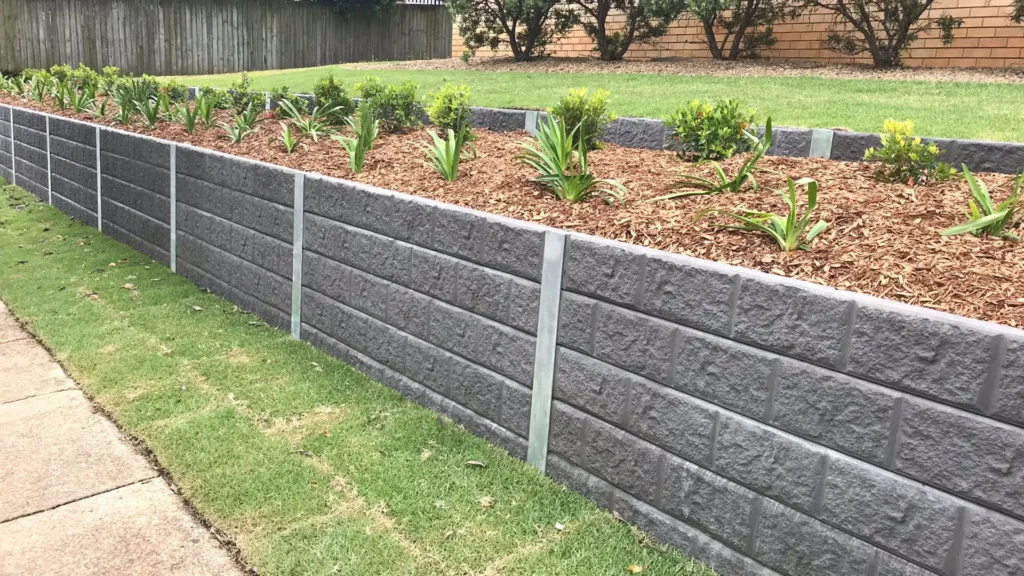
Building a retaining wall is a significant investment, but there are smart ways to control costs without sacrificing safety, durability, or compliance. The key is planning ahead, making informed decisions, and understanding where savings are realistic and where they can create long-term problems.
Plan Your Layout Carefully Before Tendering
A well-thought-out design can prevent unnecessary costs before construction even begins. Changing the layout once work is underway often leads to added labour, material waste, and delays.
- Define the purpose clearly: Decide whether the wall is purely decorative, structural, or both.
- Keep the design simple: Straight walls with consistent heights are usually more cost-effective than curved or tiered designs.
- Confirm measurements early: Accurate heights and lengths help builders provide precise quotes and avoid costly revisions.
Spending time on planning upfront often results in more accurate pricing and fewer unexpected expenses later.
Compare Multiple Quotes From Local Contractors
Getting more than one quote is one of the most effective ways to avoid overpaying. Prices for retaining walls in Christchurch can vary significantly depending on experience, workload, and construction approach.
- Request itemised quotes: This helps you understand how much is allocated to materials, labour, drainage, and compliance.
- Compare scope, not just price: The cheapest quote may exclude essential elements such as drainage or site preparation.
- Ask about local experience: Contractors familiar with Christchurch soil and council requirements can often work more efficiently.
Comparing quotes gives you leverage and clarity, helping you choose value rather than just the lowest price.
Choose Materials That Balance Durability And Budget
Material choice has one of the biggest impacts on overall cost, but cheaper is not always better. The goal is to match the material to the wall’s purpose and lifespan expectations.
- Timber: Lower upfront cost and suitable for smaller garden walls.
- Concrete: Higher initial cost but longer lifespan and lower maintenance.
- Gabion or block systems: Often balance strength, drainage, and visual appeal at a mid-range price.
Choosing the right material from the start can reduce maintenance and replacement costs over time.
Schedule Construction During Off-Peak Periods
Timing can influence pricing more than many homeowners realise. Contractors are often busier during warmer months, which can drive up labour costs.
- Ask about seasonal availability: Some builders offer better rates during quieter periods.
- Plan ahead: Booking early gives you more flexibility and avoids rush pricing.
- Allow weather buffers: Scheduling outside peak demand can reduce delays and associated costs.
Flexible timing can lead to savings without changing the quality of work.
Budget For Permits And Unexpected Site Preparation
One of the most common reasons retaining wall projects exceed budget is overlooked compliance and site conditions. Preparing for these costs helps avoid financial stress mid-project.
- Council permits and engineering: Required for certain wall heights and locations.
- Drainage solutions: Essential for long-term stability and often underestimated.
- Ground conditions: Excavation challenges, poor soil, or restricted access can add costs.
Building a contingency into your budget ensures the project stays on track even if unexpected issues arise.
Case Examples: Retaining Wall Cost Scenarios In Christchurch
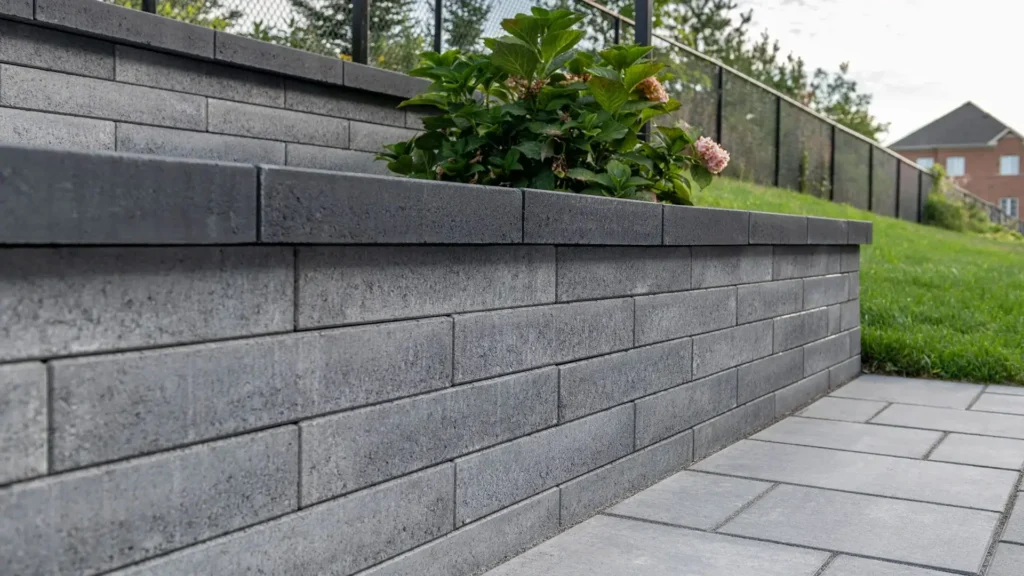
Real-world examples help make retaining wall costs clearer, especially when comparing different materials, wall sizes, and compliance requirements. Below are three common retaining wall scenarios found across Christchurch properties. These examples use realistic estimates based on typical local pricing and construction conditions, but actual costs may vary depending on site access, soil type, drainage requirements, and council regulations.
Small Timber Garden Wall Estimate
This type of retaining wall is commonly used in residential gardens where the goal is to level a small area or support landscaping features.
- Project scope: Low-height timber retaining wall for a garden or lawn edge
- Typical height: Under 1 metre
- Materials used: Treated timber sleepers, timber posts, basic drainage
- Consent required: Usually not required
- Estimated cost: $300 to $450 per linear metre
Small timber retaining walls are a popular choice because they are affordable and relatively quick to install. They work well for non-structural applications and simple landscaping projects. However, timber has a shorter lifespan than concrete or stone and may require maintenance over time.
Mid Range Concrete Garden Wall In Christchurch
Concrete retaining walls are often selected for their durability and clean appearance, particularly on sloped sections or properties with limited space.
- Project scope: Concrete retaining wall for landscaping or driveway support
- Typical height: Around 1 to 1.5 metres
- Materials used: Reinforced concrete, solid footings, integrated drainage
- Consent required: Sometimes required, depending on height and location
- Estimated cost: $550 to $900 per linear metre
While concrete retaining walls cost more than timber options, they offer long-term strength and low maintenance. Many Christchurch homeowners choose concrete when they want a permanent solution that can handle soil pressure and changing weather conditions.
Large Engineered Retaining Wall Requiring Consents
Engineered retaining walls are necessary for larger projects or sites with steep slopes, boundary concerns, or load-bearing requirements.
- Project scope: Structural retaining wall supporting buildings, driveways, or steep land
- Typical height: Over 1.5 metres
- Materials used: Engineered concrete or block systems, steel reinforcement, advanced drainage
- Consent required: Yes, including engineering design and council approval
- Estimated cost: $1,000 to $1,800 or more per linear metre
These projects are more complex and costly due to excavation, engineering reports, specialised construction methods, and strict compliance with Christchurch City Council standards. Although the upfront investment is higher, engineered retaining walls provide essential safety, stability, and long-term performance.
Planning a retaining wall project in Christchurch doesn’t have to feel overwhelming. If you want accurate pricing, expert guidance, and solutions tailored to your property, the next step is simple — speak with professionals who understand local conditions, council requirements, and cost-effective construction methods.
References
- Retaining Wall Cost In NZ: Pricing Guide For 2025 Projects
https://retainingwallspecialistsauckland.co.nz/cost-of-retaining-wall-nz/ retainingwallspecialistsauckland.co.nz - NZ Price Guide For Common Retaining Wall Types
https://www.zones.co.nz/articles/how-much-do-retaining-walls-cost zones.co.nz - Ultimate Guide To Cost Of Building Retaining Walls NZ
https://builderconnect.co.nz/blog/ultimate-guide-to-cost-of-building-retaining-walls-nz/ Builder Connect NZ - Timber Retaining Walls NZ: Complete Guide & Cost Breakdown
- Retaining Wall Construction Christchurch Services
https://www.retainingwallchristchurch.co.nz/ retainingwallchristchurch.co.nz
FAQs: About Cost Of Retaining Walls In Christchurch
How much does a retaining wall cost in Christchurch?
The cost of retaining walls in Christchurch typically ranges from $300 to $700+ per linear metre, depending on materials, wall height, site access, drainage, and whether council consent or engineering is required.
What is the cheapest type of retaining wall in Christchurch?
Timber retaining walls are generally the most affordable option, especially for low-height garden walls, though they may not last as long as concrete or stone options.
Do I need council consent for a retaining wall in Christchurch?
Council consent is usually required if the retaining wall exceeds a certain height, supports a load, or is close to a boundary. It’s best to check Christchurch City Council requirements before starting.
Why do retaining wall costs vary so much?
Costs vary due to material choice, wall height, ground conditions, drainage needs, engineering requirements, and labour complexity specific to the site.
Are concrete retaining walls worth the extra cost?
Concrete retaining walls cost more upfront but are highly durable, low maintenance, and ideal for larger or structural applications, making them a long-term investment.
Can I build a retaining wall myself to save money?
DIY may be suitable for small, low garden walls, but larger or structural retaining walls should be built by professionals to ensure safety, drainage, and compliance.
How long does it take to build a retaining wall?
Most residential retaining walls take between a few days to two weeks to complete, depending on size, material, weather conditions, and site preparation.
What factors increase the cost of a retaining wall?
Steep slopes, poor soil conditions, restricted access, drainage installation, engineering reports, and council consent all increase overall project costs.
How long do retaining walls last?
Timber retaining walls typically last 15–25 years, while concrete, stone, and block retaining walls can last 40 years or more with proper construction and drainage.
Does a retaining wall add value to my property?
Yes, a well-built retaining wall can improve usability, prevent erosion, enhance landscaping, and increase overall property appeal and value.
Conclusion
Planning the cost of retaining walls in Christchurch comes down to understanding the key factors that influence pricing, including material choice, wall height, site conditions, drainage requirements, and whether engineering or council consent is needed, all of which can significantly impact the final cost if overlooked. While prices can vary widely from one property to another, careful planning helps you avoid unexpected expenses, delays, and structural issues that often end up costing far more to fix later. Investing in quality materials, proper drainage, and compliant construction is not just about meeting regulations, it is about ensuring your retaining wall lasts for decades, performs safely, and protects the value of your property over the long term. Instead of focusing only on the cheapest upfront option, taking a well-planned approach allows you to balance budget, durability, and performance with confidence. To get a clear picture of what your project will realistically cost, the best next step is to get quotes from Christchurch retaining wall specialists who can assess your site and help you plan a solution that fits both your land and your budget.